Flipping Thrift Store Junk: A Beginner’s Guide to Profitable Finds
Have you ever wandered through a thrift store and wondered if that dusty lamp or vintage jacket could be worth something? The art of flipping thrift store junk into treasure isn’t just a hobby it’s becoming a legitimate side hustle for many creative souls looking to earn extra income. With a keen eye, some basic skills, and a dash of patience, those overlooked items can transform into sought-after pieces that buyers will happily pay a premium for.
In this guide, I’ll walk you through the wonderful world of thrift store flipping from spotting hidden gems to presenting them beautifully for sale. Whether you’re looking to fund your coffee habit or dream of turning this into something bigger, these steps will help you begin your journey into the rewarding practice of giving forgotten items new life and purpose.

This website contains affiliate links. As an Amazon Associate, I earn from qualifying purchases. Please read our disclaimer.
The Rising Trend of Thrift Store Flipping
Thrift flipping has exploded in popularity over the past few years. What was once a niche hobby has transformed into a thriving marketplace, with dedicated flippers making anywhere from a few hundred to several thousand dollars monthly. This surge is driven by several factors that make now the perfect time to start your flipping journey.
Why Thrift Flipping Is Booming
The growing interest in sustainability has created a perfect environment for thrift flipping to thrive. Consumers are increasingly aware of fast fashion’s environmental impact and the value of giving items a second life. Add to this the rise of online marketplaces and social media platforms where before-and-after transformations gain thousands of views, and you have a recipe for a flipping renaissance.
During economic uncertainty, people are also more willing to buy second-hand items that offer quality at a fraction of retail prices. This creates a steady stream of buyers looking for exactly what you’re offering unique, restored items with character and history.
Who’s Making Money Flipping?
From college students to retirees, people from all walks of life are discovering the joy and profit in thrift store flipping. Some focus on clothing, others on furniture or electronics, but all share a common thread they’ve learned to see value where others see junk.
The beauty of this side hustle is its accessibility. You can start with just $20-50 and a few hours each week. As your experience grows, so can your inventory and profits. Many successful flippers began with simple weekend projects that gradually evolved into consistent income streams.
5-Step Process for Identifying Valuable Items
The difference between a profitable flip and a waste of time often comes down to your ability to spot items with potential. Here’s my tried-and-true 5-step process for identifying thrift store finds worth your investment.

Step 1: Research Before You Shop
Before heading to the thrift store, arm yourself with knowledge about what’s in high demand. Check online marketplaces like eBay and Etsy to see what’s selling well and at what price points. Follow reselling accounts on social media to stay current with trends. The more you know about market values, the better your eye will become for spotting underpriced treasures.
Step 2: Examine Quality and Condition
When browsing thrift stores, always check items thoroughly for quality and condition. For clothing, look for brand names, intact seams, and no stains or tears. For furniture, check for solid construction and quality materials. Electronics should be tested in-store if possible. Remember that minor flaws can often be fixed, but major damage might make restoration too costly to be profitable.
Step 3: Check for Markings and Signatures
Many valuable items have identifying marks that can significantly increase their worth. Flip over pottery and dishware to look for maker’s marks. Check furniture for manufacturer tags. Examine jewelry for hallmarks indicating precious metals. These small details can transform a $5 find into a $50 or even $500 sale.
Step 4: Use Technology to Your Advantage
Your smartphone is your best friend when thrift shopping. Use it to quickly search for similar items online to gauge potential value. Apps like eBay and Amazon can help you scan barcodes on books, games, and electronics to instantly see current selling prices. This on-the-spot research can prevent costly purchasing mistakes.
Step 5: Calculate Potential Profit Margin
Before buying any item, mentally calculate your potential profit margin. Consider the purchase price, estimated restoration costs (cleaning supplies, repair materials, your time), and shipping expenses if selling online. A good rule of thumb is to aim for items you can sell for at least three times your total investment.
Clothing Finds
Look for designer brands, vintage pieces, and unique styles. Check labels, zippers, and buttons for quality indicators. Seasonal items like winter coats or summer dresses can be flipped quickly during the right time of year.
Furniture Potential
Solid wood pieces, mid-century modern designs, and unique statement items have the highest flip potential. Avoid particle board furniture as it rarely holds up to restoration and has limited resale value.
Electronics Worth Buying
Vintage audio equipment, gaming consoles, and brand-name small appliances can be profitable flips. Always test electronics in-store or ensure a return policy exists before purchasing.


Before and after: Thrift store chairs transformed with new upholstery and refinishing!
Cleaning Techniques for Different Materials
The first step in any restoration is a thorough cleaning. Each material requires specific care to avoid damage while removing years of dust and grime. For wood furniture, a gentle mixture of mild soap and water works for initial cleaning, followed by wood-specific cleaners. Fabric items might need spot treatment or professional cleaning for stubborn stains.
Metal items can often be transformed with a simple polish appropriate to the specific metal type. Glass and ceramics usually respond well to gentle cleaning with mild detergents. Remember that some patina and wear can actually add value to vintage items not everything needs to look brand new.
Minor Repairs That Make a Major Difference
Small repairs can dramatically increase an item’s value and appeal. Learning basic skills like replacing buttons, fixing loose furniture joints, or touching up paint can transform a passed-over item into a desirable piece. Keep a basic repair kit with wood glue, fabric glue, sandpaper, small nails, and touch-up markers for on-the-spot fixes.
For electronics, cleaning contacts with isopropyl alcohol or replacing simple components like knobs and switches can restore functionality. Remember that safety comes first never attempt electrical repairs without proper knowledge.
Staging and Photography Tips
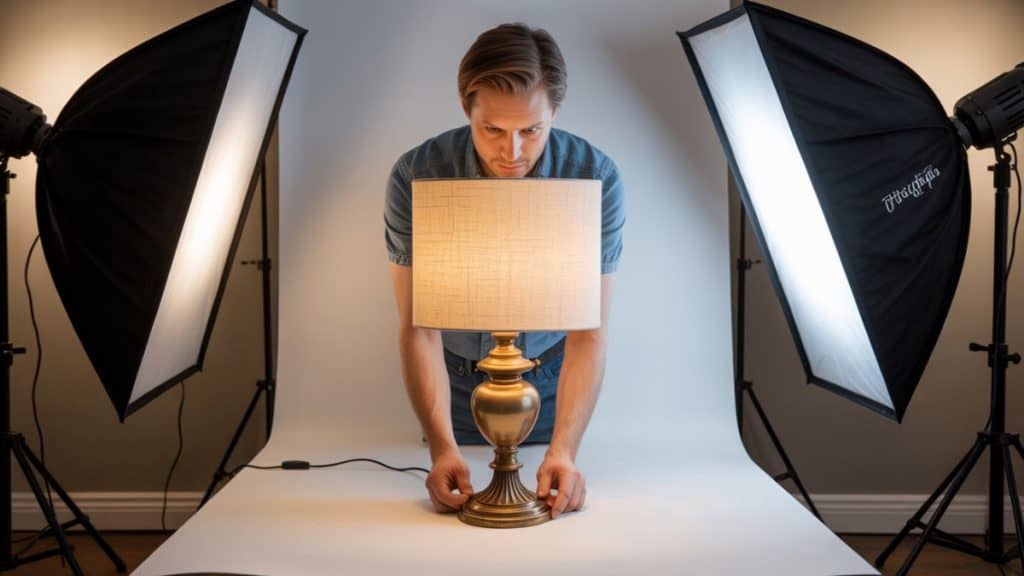
Once your item is restored, presentation becomes crucial. For online sales, quality photography can make the difference between a quick sale and an item that sits unsold. Use natural light whenever possible, and create a simple, clean background that doesn’t distract from your item.
Take multiple photos from different angles, and be sure to capture any special features or unique details. For furniture and home decor, consider staging the item in a styled setting to help buyers envision it in their own space. For clothing, either use a mannequin or find someone to model the pieces for the best presentation.
“The difference between a $20 sale and a $100 sale often isn’t the item itself it’s how you present it to potential buyers. Clean, well-lit photos and thoughtful staging create perceived value.”
— Experienced Thrift Flipper
Must read: Learn how to style a coffee table!
Pricing Strategies for Different Platforms
Setting the right price is crucial to maximizing your profits while ensuring your items actually sell. Different platforms cater to different audiences with varying price expectations, so your pricing strategy should adapt accordingly.

| Platform | Audience | Pricing Strategy | Fee Considerations |
| eBay | Global, bargain-hunters and collectors | Research comparable sold items; consider auction format for rare items | Factor in 10-15% platform fees plus shipping costs |
| Etsy | Buyers seeking unique, vintage, handcrafted items | Premium pricing for truly unique or vintage items; detailed descriptions justify higher prices | 5% transaction fee plus listing fees; buyers expect quality |
| Facebook Marketplace | Local buyers, price-sensitive | Competitive pricing; no shipping costs allows for lower prices | No fees for local pickup; shipping options have fees |
| Poshmark | Fashion-focused, brand-conscious buyers | Start 30% higher than target price to allow for offers and negotiation | $2.95 for sales under $15; 20% for sales above $15 |
| Local Flea Markets | Treasure hunters, bargain seekers | Price items to move; volume sales approach | Booth rental fees; factor in time commitment |
The 3x Rule for Profitable Flipping
A good starting point for pricing is the “3x rule”aim to sell items for at least three times your total investment (purchase price plus restoration costs). This ensures you’re compensated for your time while building in a healthy profit margin.
This rule should be flexible. Some quick flips with minimal work might be worth doing for a 2x return if you can turn them around fast. Other items that require significant restoration or have exceptional value might command 5-10x your investment.
Psychology of Pricing
Understanding buyer psychology can help you price more effectively. Items priced at $49 instead of $50 often feel significantly cheaper to buyers. For premium items, however, round numbers can convey quality and confidence in value.
When selling locally, having a slightly higher asking price gives you room to accept offers, making buyers feel they’ve gotten a deal. On platforms with offer features, price items 15-20% higher than your target to accommodate negotiations.
Pro Tip: Keep detailed records of what you paid for items, restoration costs, and final selling prices. This data will become invaluable as you refine your pricing strategy over time and identify which categories offer the best return on investment.
Best Places to Sell Your Flipped Items
Choosing the right selling platform can significantly impact how quickly your items sell and how much profit you make. Each platform has its own strengths, audience, and fee structure. Here’s a breakdown of the best options for different types of flipped items.

Online Marketplaces
eBay
Best for: Collectibles, electronics, brand-name items, and anything with global appeal
eBay’s massive audience makes it ideal for specialty items that might appeal to collectors worldwide. The auction format can drive up prices for rare finds, while the Buy It Now option works well for more common items.
Etsy
Best for: Vintage items (20+ years old), handcrafted or upcycled pieces, unique home decor
Etsy buyers appreciate craftsmanship and uniqueness, making it perfect for creatively restored or repurposed items. They’re also willing to pay premium prices for the right pieces.
Local Selling Options
Facebook Marketplace
Best for: Furniture, larger items, and anything costly to ship
The local nature of Facebook Marketplace eliminates shipping hassles and costs, making it ideal for bulky items. It’s also great for quick sales when you need to move inventory fast.
Flea Markets & Craft Fairs
Best for: Multiple smaller items, vintage decor, and items with visual appeal
In-person selling allows buyers to see the quality of your work firsthand. These venues are excellent for building a local customer base and getting immediate feedback on your items.
Specialty Platforms
Poshmark & Depop
Best for: Clothing, accessories, and fashion items
These fashion-focused platforms have built-in social features that help your items get discovered. Their audience is specifically looking for clothing and accessories, increasing your chances of finding the right buyer.
Chairish & 1stDibs
Best for: High-end furniture, genuine antiques, and designer items
These curated marketplaces cater to design enthusiasts willing to pay top dollar for quality pieces. They’re more selective but can command much higher prices for the right items.
Building Your Brand as a Seller
As you gain experience, consider developing a consistent brand identity across platforms. Use the same username, profile picture, and selling style to build recognition. Quality photos, detailed descriptions, and excellent customer service will earn you positive reviews, which are crucial for long-term success.
Many successful flippers eventually create their own website or social media presence to showcase their best transformations and direct buyers to their listings. This approach allows you to build a following of customers who appreciate your specific style and restoration work.
Real-Life Success Stories
Finding inspiration in others’ journeys can provide both motivation and practical insights. Here are a few real-life examples of successful thrift flippers who started small and built profitable ventures.


$30 dressers can flip hundreds of dollars after restoration!
“I started with just $100 and a few basic tools. My first flip was a mid-century side table I found for $15 and sold for $120 after refinishing. That initial success gave me the confidence to keep going, and now I’m making $2,000-3,000 monthly from my flips while working just part-time.”
— Michael, Furniture Flipper
From Weekend Hobby to Full-Time Income
Sarah discovered thrift flipping when she was looking for affordable furniture for her first apartment. After successfully refinishing several pieces for herself, friends began asking if she could find and restore items for them too. What started as weekend thrift store runs soon grew into a consistent side business.
Within a year, Sarah was making enough from her furniture flips to reduce her full-time job to part-time. She focused on mid-century modern pieces and developed a signature style that combined restored wood with modern accents. Today, she has a waiting list of clients and averages $3,500 monthly in sales.

Specialized Niche Success
James turned his passion for vintage clothing into a profitable business by focusing exclusively on men’s vintage workwear and denim. By becoming an expert in identifying valuable brands and styles from the 1940s-1970s, he developed an eye for pieces that others overlooked.
His specialized knowledge allows him to spot valuable items that thrift store pricing staff might miss. A 1960s denim jacket purchased for $8 might sell for $200+ to the right collector. By focusing on a specific niche, James built a reputation as a go-to source for authentic vintage workwear, allowing him to command premium prices.
Lessons from Successful Flippers
These success stories share common elements that you can apply to your own flipping journey:
- Start small and reinvest profits to grow gradually
- Develop expertise in specific categories rather than flipping everything
- Build relationships with thrift store staff to get early access to new inventory
- Keep detailed records to identify your most profitable types of flips
- Continuously improve your restoration skills to add maximum value
- Take time to create quality listings with excellent photos and descriptions
Thrift Flip Essentials Kit
Having the right tools and supplies on hand will make your flipping process more efficient and professional. This checklist covers the essentials you’ll need to handle most common restoration projects.
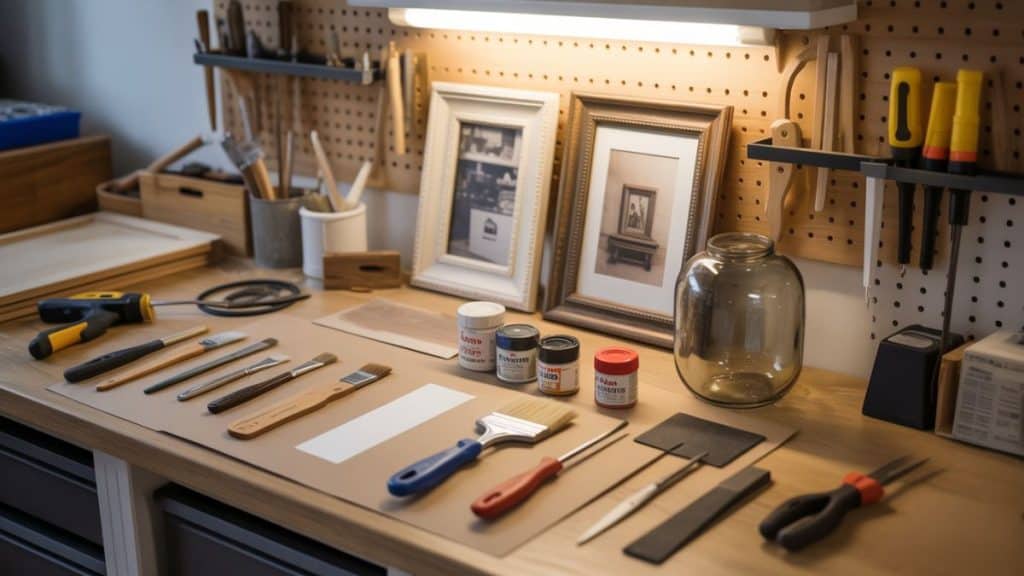
Thrift Flip Essentials Kit
Cleaning Supplies
- All-purpose cleaner
- Wood cleaner and polish
- Glass cleaner
- Metal polish (brass, silver, chrome)
- Soft microfiber cloths
- Magic erasers
- Toothbrushes for detail cleaning
- Isopropyl alcohol (for electronics and sticky residue)
Repair Tools
- Basic tool set (screwdrivers, pliers, hammer)
- Measuring tape
- Sandpaper (various grits)
- Wood glue
- Super glue
- Wood filler
- Touch-up markers in various wood tones
- Small paint brushes
Furniture Refinishing
- Paint stripper (for major refinishing projects)
- Primer
- Quality paint brushes and/or foam rollers
- Chalk paint (great for furniture with minimal prep)
- Clear sealer or wax
- Painter’s tape
- Drop cloths
Clothing and Fabric Items
- Lint roller
- Fabric shaver (for pilling)
- Stain remover
- Sewing kit with various thread colors
- Fabric glue
- Iron and ironing board
- Garment steamer
Photography and Listing
- Smartphone with good camera or digital camera
- Simple backdrop (white or neutral)
- Natural light source or photography lights
- Tape measure (for including dimensions in listings)
- Scale (for calculating shipping weight)
- Shipping supplies (boxes, bubble wrap, tape)
Start Small: You don’t need everything at once! Begin with the basic cleaning supplies and a few repair tools, then invest in more specialized items as you take on more complex projects and identify your niche.
Your Thrift Flipping Journey Begins
The world of thrift store flipping offers endless possibilities for creativity, sustainability, and profit. What begins as a curious weekend project can evolve into a rewarding side hustle or even a full-time business. The key is to start small, learn continuously, and enjoy the process of bringing forgotten items back to life.

Remember that every successful flipper started exactly where you are now with curiosity and a willingness to learn. Each project will teach you something new, and over time, your eye for potential and your restoration skills will naturally improve. Be patient with yourself and celebrate each successful flip, no matter how small the profit margin.
As you continue on this journey, connect with other flippers through social media groups and local meetups. The flipping community is generally generous with advice and encouragement. Sharing your successes and challenges with others who understand the thrill of the hunt and the satisfaction of a beautiful transformation adds another rewarding dimension to this creative pursuit.
Happy hunting, and may your next thrift store visit yield treasures that others have overlooked!
More Thrifting Ideas: Goodwill Finds: How to Shop the Goodwill Bins Like a Pro