Tips for Selling Crafts: Turning Your Passion into Profit
If you’re a creative person who loves making handmade items, you’ve probably wondered whether you could turn your hobby into a source of income. The good news is that there’s never been a better time to sell your crafts. With countless online platforms and a growing appreciation for handmade goods, crafters have more opportunities than ever to reach customers who value unique, quality items.
If you’re looking for realistic, beginner-friendly ways to sell crafts online or in person, this guide will walk you through where to sell, how to price, and how to market your handmade products. Links to specific craft ideas that already sell well on platforms like Etsy, Pinterest, and at local markets.
This website contains affiliate links. As an Amazon Associate, I earn from qualifying purchases. Please read our disclaimer.
Where to Sell Your Crafts
One of the first decisions you’ll make is choosing where to sell your handmade items. The right platform depends on your craft type, target audience, and how much time you can invest.
Online Marketplaces
Etsy remains the go-to platform for handmade goods, with millions of buyers specifically searching for unique, crafted items. The platform is user-friendly, though it does charge listing fees and takes a percentage of each sale. It’s an excellent starting point because your shop benefits from Etsy’s existing traffic and built-in trust.
Amazon Handmade offers access to Amazon’s massive customer base. While the approval process is more rigorous than Etsy, you’ll gain credibility and visibility among shoppers who might not typically browse craft-specific sites.
eBay can work well for certain types of crafts, especially vintage-inspired items or collectibles. The auction format might not suit all crafters, but the “Buy It Now” option gives you more control over pricing.
Platforms like Etsy work especially well for giftable, decorative, and aesthetic crafts, such as:
- Air dry clay decor and accessories
- Pressed flower art and botanical crafts
- Handmade home décor items
Social Media Platforms
Social media has transformed how crafters connect with customers. Instagram is particularly powerful for visual products, allowing you to showcase your work through beautiful photos and behind-the-scenes content. You can sell directly through Instagram Shopping or direct interested customers to your other sales channels.
Facebook Marketplace offers a more local-focused approach, perfect for larger items that are expensive to ship or for connecting with customers in your community. Facebook Groups dedicated to handmade goods can also be valuable for finding your audience.
Pinterest works as both a marketing tool and a sales channel. Since many users browse Pinterest for gift ideas and home décor inspiration, it’s an ideal platform for driving traffic to your shop.
Pinterest is especially powerful if your crafts fall into visual categories like:
- Home décor
- Handmade gifts
- Seasonal or holiday crafts
- Farmhouse, boho, or shabby chic styles
If you’re creating crafts specifically to sell, start here:
Local Selling Options
Don’t overlook in-person opportunities. Craft fairs and farmers markets let you interact directly with customers, get immediate feedback, and build local recognition. While they require more time investment, the personal connections you make can turn into loyal, repeat customers.
Consignment shops that specialize in handmade or local goods can provide steady sales without the time commitment of staffing a booth. You’ll typically give the shop a percentage of sales, but they handle the customer interactions and maintain the retail space.
Some crafts perform exceptionally well in face-to-face settings, including:
- Botanical and nature-inspired items
- Handmade décor
- Lightweight, giftable products under $30
Your Own Website
As your business grows, having your own website gives you complete control over your brand and customer experience. Shopify is specifically designed for e-commerce and offers easy setup with professional templates. Squarespace provides beautiful design options and works well if you want to combine a portfolio with a shop. WordPress with WooCommerce offers the most customization but has a steeper learning curve.
Starting with an established marketplace while you build your audience is perfectly fine. You can always expand to your own website later.
Choosing Crafts That Actually Sell
Not all crafts are created equal when it comes to selling. While creativity is important, successful craft businesses usually focus on items that are in demand, visually appealing, and realistic to produce consistently.
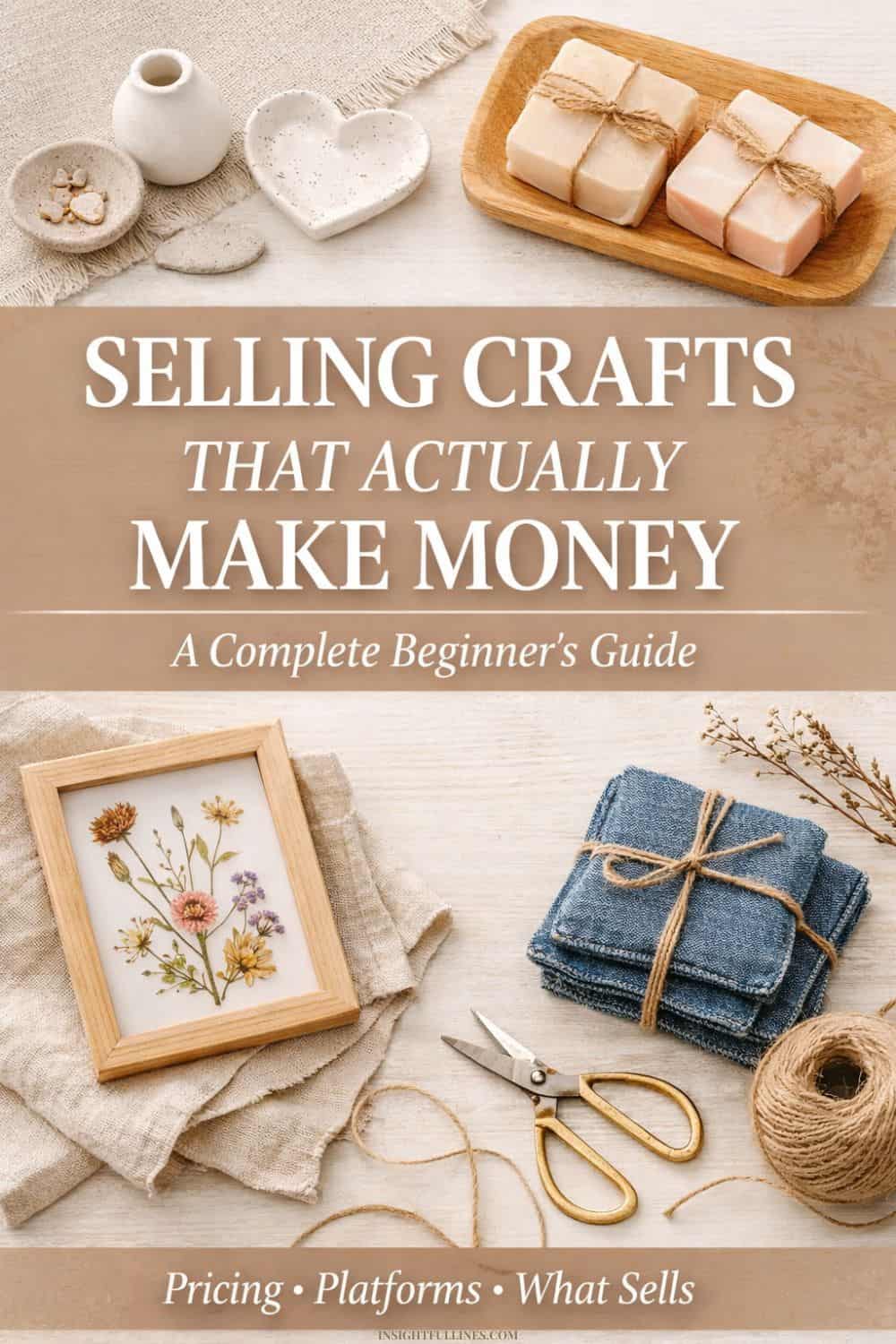
If you’re feeling overwhelmed by options, start here. These craft categories have proven to perform well across platforms like Etsy, Pinterest, and local markets especially for beginners.
Crafts That Consistently Perform Well
Air Dry Clay Crafts
Air dry clay (affiliate) is one of the most beginner-friendly materials for selling crafts. It’s affordable to start with, easy to work with, and incredibly versatile. From decorative home accents to small giftable items, clay crafts photograph beautifully and perform especially well on Pinterest.
They’re also ideal if you want to create cohesive collections without investing in expensive tools or equipment.
Profitable air dry clay projects to make money
Pressed Flower Crafts
Pressed flower crafts tap into everything buyers love: nature, nostalgia, and handmade charm. These pieces feel personal and one-of-a-kind, making them especially popular for gifting and seasonal sales.
Pressed flower art shines at summer farmer’s markets, online gift shops, and Pinterest-driven traffic where soft, romantic visuals perform exceptionally well.
Upcycled & Denim Crafts
Sustainable crafts continue to grow in popularity, and denim projects are a standout in this category. Crafts made from old jeans appeal to eco-conscious buyers and often carry a strong “story,” which helps them stand out in a crowded marketplace.
From practical home décor to giftable accessories, denim crafts align perfectly with Pinterest audiences who love creative reuse and budget-friendly inspiration.
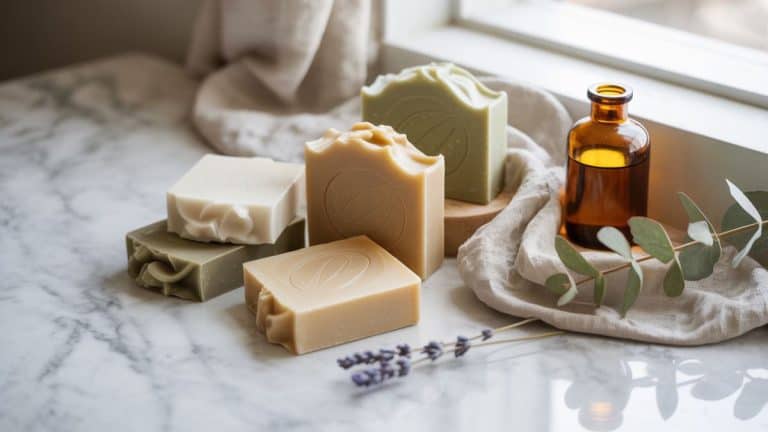
Soap & Self-Care Crafts
Self-care products are known for repeat purchases, which makes them especially attractive for long-term selling. Melt and pour soap crafts are beginner-friendly, customizable, and easy to scale once you find scents and styles your audience loves.
These crafts perform well year-round, with strong spikes around holidays, gift-giving seasons, and market events.
Easy melt and pour soap recipes for beginners
Choosing the right type of craft from the start makes everything else easier pricing, marketing, photography, and scaling. By focusing on proven craft categories like these, you’re not just creating beautiful items you’re building products that people are already searching for and excited to buy.
Developing a Smart Pricing Strategy
Pricing your handmade items can feel uncomfortable at first, but getting it right is essential for a sustainable business.
Start by calculating your material costs for each item. Include everything: fabric, paint, findings, packaging materials, and even small things like thread or glue. Be thorough because these costs add up quickly.
Next, factor in your time. Decide on an hourly rate that reflects your skill level. If you’re just starting out, this might be $15-20 per hour, but experienced crafters with specialized skills should charge more. Track how long each item takes to make, including prep and cleanup time.
Research competitor pricing to understand the market. Look at similar items on your chosen platform and note the price range. This doesn’t mean you need to match the lowest price, but you should understand where your products fit in the market.
Don’t forget to include platform fees and shipping costs in your pricing calculations. If Etsy takes 6.5% of each sale plus payment processing fees, factor that in. For shipping, you can either build it into your product price or charge separately.
Most importantly, don’t undervalue your work. Handmade items deserve premium pricing over mass-produced alternatives. Customers who seek out handmade goods understand they’re paying for quality, uniqueness, and the time you’ve invested in developing your craft.
Different crafts support different pricing strategies. For example, quick-make items like those featured in Crafts to Make Fast and Sell often rely on volume, while detailed decor pieces can command higher prices.
Pricing Reality Check
- Fast crafts = lower price, higher volume
- Decorative crafts = higher margin, slower sales
Marketing Your Handmade Business
Great products don’t sell themselves. You need to help potential customers discover your work and understand what makes it special.
Many of the crafts featured in Clay Crafts That Sell Fast and Look Beautiful on Display perform well specifically because they photograph beautifully for Pinterest and Etsy listings.
High-quality photos are non-negotiable. Use natural light whenever possible, photograph your items from multiple angles, and show scale by including props or lifestyle shots. Your photos should make people stop scrolling and want to learn more. A simple setup near a window with a neutral background can produce professional-looking results without expensive equipment.
Detailed product descriptions help customers make confident purchasing decisions. Include dimensions, materials used, care instructions, and what makes each piece special. Describe the colors accurately and mention any variations that might occur since items are handmade. This level of detail builds trust and reduces returns.
Use relevant keywords so customers can find you when they search. Think about what words someone would type when looking for your product. If you make ceramic mugs, include terms like “handmade pottery mug,” “ceramic coffee cup,” “stoneware mug,” and descriptive words about the style or color. If you’re serious about discoverability, focus on crafts people actively search for like those featured in Crafts to Make and Sell and Summer Farmer’s Market Crafts.
Build a consistent brand aesthetic across all your platforms. Choose a color palette, photography style, and tone of voice that reflects your work and appeals to your target customer. Consistency helps people recognize your brand and builds professionalism.
Engage with your community by responding to comments, participating in relevant groups or forums, and supporting fellow crafters. Building relationships within the handmade community can lead to collaborations, features, and word-of-mouth referrals.
Seasonal promotions around holidays, back-to-school, or other relevant events can boost sales during peak buying times. Consider offering limited edition items or special bundles to create urgency.
Seasonal collections work especially well for:
- Botanical crafts (spring/summer)
- Cozy decor (fall/winter)
- Handmade gifts year-round
Finally, collect and showcase customer reviews. Positive testimonials provide social proof and help hesitant buyers feel confident in their purchase. Make it easy for happy customers to leave reviews by following up after their order arrives.
Understanding Legal Considerations
Running a legitimate business means handling some administrative tasks that aren’t as fun as creating but are essential for long-term success.
Check your local business licensing requirements. Some cities or counties require a business license even for small, home-based operations. Craft fair organizers often require proof of licensing as well.
Understand your tax obligations from the start. In most places, you’ll need to collect sales tax and report your income. Keep detailed records of all expenses and income. Consider using accounting software or consulting with a tax professional who understands small creative businesses.
Business insurance might seem like overkill when you’re starting small, but it protects you if someone is injured by your product or if your inventory is damaged. Homeowner’s or renter’s insurance typically doesn’t cover business activities.
If you’ve developed a unique brand name or logo, consider trademark protection to prevent others from copying your identity. This becomes more important as your business grows and gains recognition.
Safety regulations are particularly important if you make bath products, beauty items, children’s toys, or food items. Research the regulations that apply to your specific products. For example, cosmetics have specific labeling requirements, and children’s items must meet safety standards.
While these legal aspects might seem overwhelming, taking care of them early prevents much bigger headaches down the road.
Keys to Long-Term Success
Building a successful handmade business takes more than just making beautiful things. These factors separate thriving shops from those that struggle:
Quality and consistency are fundamental. Customers should be able to trust that every item they purchase meets the same high standards. Develop systems to ensure quality control, and don’t rush production to meet deadlines if it compromises your standards.
Uniqueness sets you apart from mass-produced alternatives. Whether it’s your design aesthetic, your material choices, or your technique, emphasize what makes your work different. Customers choose handmade because they want something special that they can’t find at a big-box store.
Excellent customer service can turn a one-time buyer into a lifelong fan. Respond to questions promptly and professionally, address concerns with grace, and go the extra mile when you can. Small touches like thank-you notes or careful packaging show customers they matter.
Speaking of which, packaging matters more than you might think. Your packaging protects your item during shipping, but it’s also an extension of your brand and part of the unboxing experience. Attractive, thoughtful packaging creates a memorable impression and makes your products feel more gift-worthy.
Finally, stay current while remaining true to your style. Pay attention to trends and seasonal demands, but don’t abandon what makes your work unique just to chase every trend. The most successful crafters find a balance between staying relevant and maintaining their authentic creative voice.
Many of the best-selling items featured in Clay Crafts That Sell Fast and Look Beautiful on Display succeed because presentation is treated as part of the product.
Ready to Get Started?
Selling your crafts is an exciting journey that combines creativity with entrepreneurship. Start small, learn as you go, and don’t be afraid to experiment with different platforms and approaches until you find what works for you.
Remember that every successful seller started exactly where you are now. With quality products, smart business practices, and genuine passion for your craft, you can build something truly rewarding. Your unique creations deserve to be shared with people who will appreciate them.
What are you waiting for? Your first customer is out there looking for exactly what you make.