
How to Make and Sell Citronella Candles: A Complete Business Guide
Looking for a profitable summer product you can make at home? Citronella candles (affiliate) are one of the most in-demand outdoor products during mosquito season easy to produce, affordable to scale, and highly appealing to eco-conscious buyers. They offer a rare combination of practicality and profit potential, helping repel mosquitoes while creating a warm, inviting ambiance for outdoor living.
With growing consumer interest in natural bug repellents and handcrafted goods, learning how to make and sell citronella candles can be both a rewarding creative outlet and a smart business opportunity. These candles are especially popular for patios, backyards, camping, and summer entertaining, making them a seasonal staple with strong repeat-purchase potential.
This comprehensive guide walks you through everything you need to know from sourcing quality materials and mastering the candle-making process to pricing your products, branding effectively, and selling through the right channels. Perfect for the DIY enthusiast ready to turn a hobby into income or an entrepreneur searching for a low-barrier seasonal business, you’ll find practical, actionable advice to help you succeed in the citronella candle market.
This website contains affiliate links. As an Amazon Associate, I earn from qualifying purchases. Please read our disclaimer.
Quick Business Snapshot
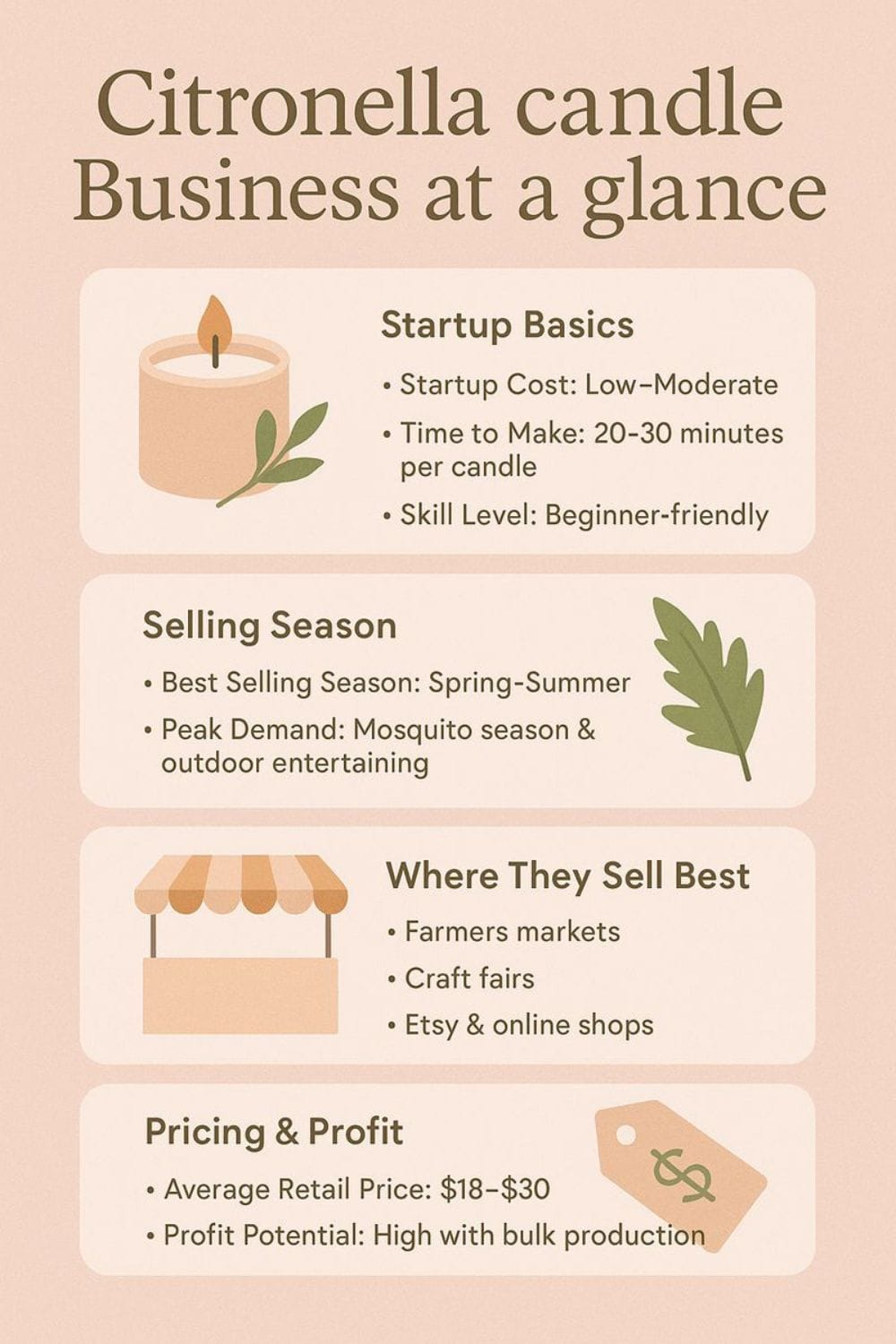
- Startup cost: Low–moderate
- Time to make: 20–30 minutes per candle
- Best selling season: Spring–Summer
- Ideal sales channels: Markets, Etsy, Shopify
- Average retail price: $18–$30
The Benefits of Citronella Candles

Citronella candles create both functional mosquito protection and pleasant outdoor ambiance.
It’s important to understand what makes citronella candles so appealing to consumers. Citronella oil is derived from lemongrass varieties and has been used for generations as a natural insect repellent.
Mosquito Repellent Properties
While scientific studies show that citronella provides moderate mosquito protection rather than complete immunity, consumers appreciate its natural approach to pest control. The oil works by masking scents that attract mosquitoes, making it harder for them to locate people. For best results, citronella candles should be used in conjunction with other mosquito control methods.
Citronella candles work best when used in multiples to create a perimeter rather than relying on a single candle.
Outdoor Ambiance Enhancement
Beyond their practical benefits, citronella candles contribute to a pleasant outdoor atmosphere. Their soft glow creates inviting spaces for evening gatherings, while their distinctive lemony scent adds a fresh dimension to outdoor environments. This dual-purpose appeal makes them particularly marketable for summer entertaining.
Essential Materials and Equipment
Creating quality citronella candles requires specific materials. Here’s everything you’ll need to get started:
Basic Candle-Making Supplies
- Soy Wax (beeswax, or paraffin)
- Wicks (cotton or wood, properly sized for your containers)
- Containers (glass jars, tins, or heat-resistant vessels)
- Double boiler (affiliate) or melting pot
- Thermometer (for monitoring wax temperature)
- Stirring utensils (wooden or heat-resistant)
- Electronic Scales (for precise measurements)
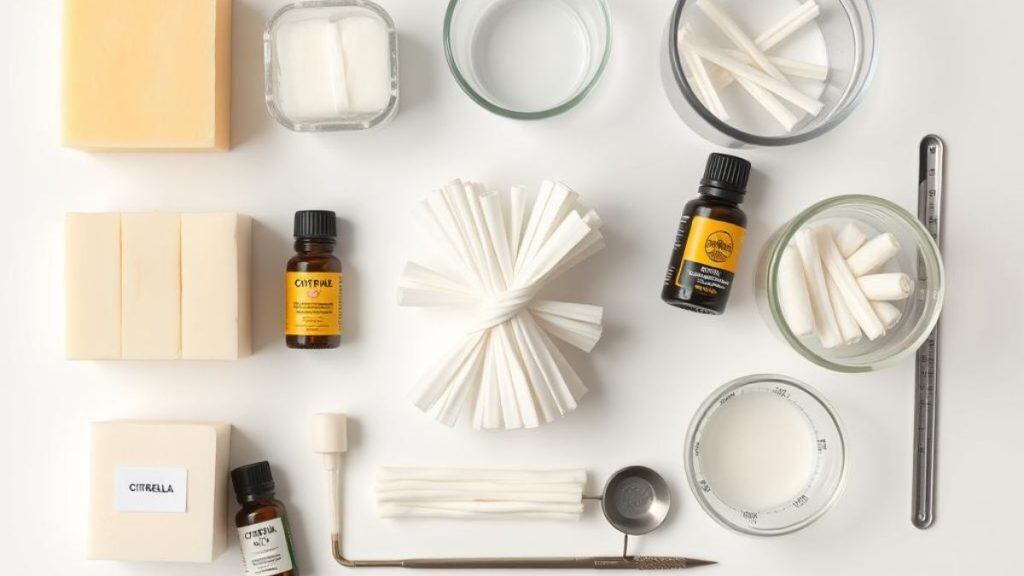
Essential supplies for creating professional-quality citronella candles.
Citronella-Specific Ingredients
- Citronella essential oil (100% pure, therapeutic grade)
- Complementary essential oils (lemongrass, cedarwood, or eucalyptus)
- Natural colorants (optional – candle-safe dyes)
- Dried lemongrass or citrus zest (optional decorative elements)
Pro Tip: For maximum effectiveness, use 1 ounce of citronella oil per pound of wax. Lower concentrations may smell pleasant but won’t effectively repel mosquitoes.
Safety Equipment
- Heat-resistant gloves
- Apron or protective clothing
- Fire extinguisher
- Ventilated workspace
- First aid kit
Never underestimate the importance of safety equipment. Working with hot wax requires proper precautions to prevent burns and other accidents.
Step-by-Step Candle Making Process
Creating effective citronella candles requires attention to detail and proper technique. Follow these steps for professional-quality results:
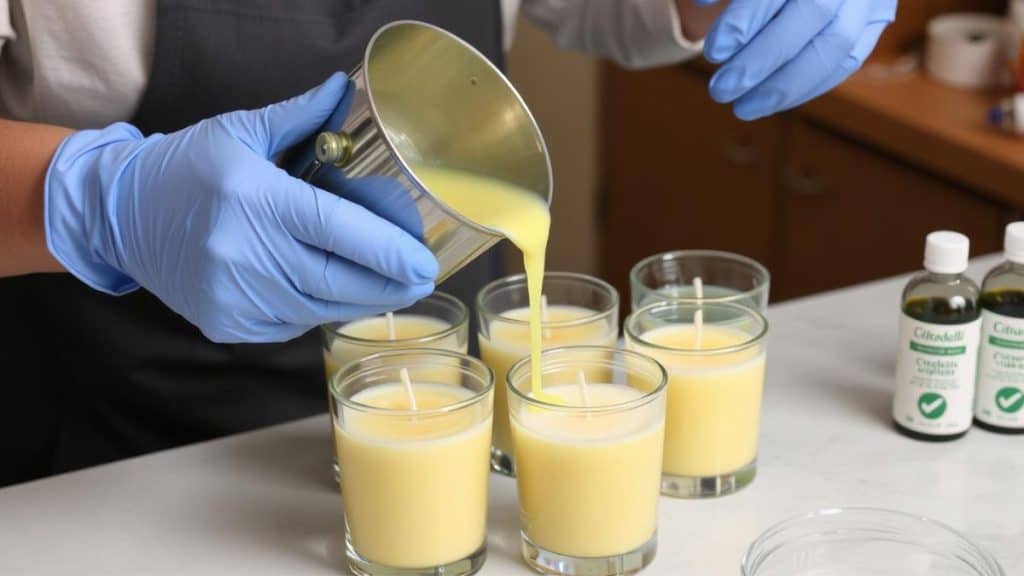
- Prepare your workspace – Cover your work area with newspaper or a protective mat. Ensure good ventilation and keep all materials organized and easily accessible.
- Prepare containers and wicks – Clean and dry your containers thoroughly. Secure wicks to the bottom center using a small amount of melted wax or adhesive stickers. Use pencils or wick holders to keep wicks centered.
- Measure and melt the wax – Weigh your wax according to your container volume (typically containers will hold about 80% of their volume in wax). Melt slowly in a double boiler, monitoring temperature carefully.
- Add citronella oil – Once wax reaches the proper temperature (around 185°F for soy, 160-170°F for beeswax), remove from heat and allow to cool slightly. Add citronella oil (1 oz per pound of wax) when the temperature drops to about 10 degrees below the melting point.
- Add complementary oils and colorants – If desired, add complementary essential oils and natural colorants, stirring gently but thoroughly to distribute evenly.
- Pour into containers – Pour the wax slowly into prepared containers, being careful to keep wicks centered. Leave about ½ inch of space at the top.
- Allow to cool and cure – Let candles cool at room temperature for 24 hours, then cure for at least 48 hours before using to allow the scent to properly bind with the wax.
- Trim wicks – Before packaging or using, trim wicks to ¼ inch height for optimal burning.
Troubleshooting Common Issues
- Sinkholes or cracks: Caused by cooling too quickly. Try pouring at a slightly lower temperature or doing a second pour to fill in gaps.
- Poor scent throw: Likely due to adding oils at too high a temperature. Ensure you add oils at the recommended temperature for your wax type.
- Uneven burning: Usually caused by improper wick size. Experiment with different wick sizes for your specific container dimensions.
Safety Precautions for Candle Making
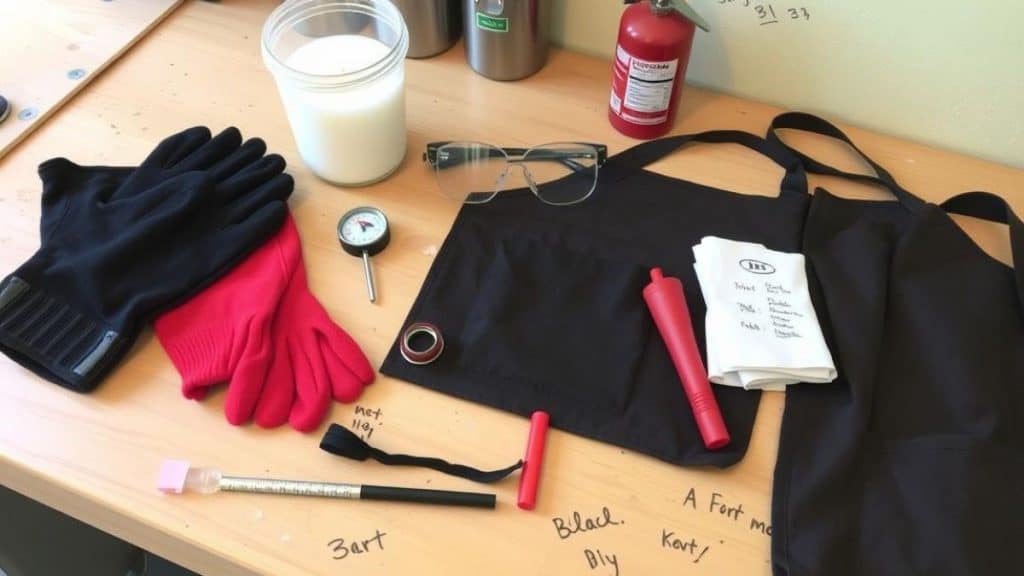
Working with Hot Wax
- Never leave melting wax unattended
- Use a thermometer to monitor temperature
- Avoid direct heat sources – always use a double boiler
- Keep a fire extinguisher nearby
- Wear heat-resistant gloves when handling hot containers
Handling Essential Oils
- Store oils in dark glass bottles away from direct sunlight
- Keep oils away from eyes and mucous membranes
- Use in well-ventilated areas
- Keep away from children and pets
- Follow recommended dilution ratios
Important Safety Note: Never pour wax down drains as it can cause serious clogs. Dispose of excess wax by allowing it to harden and then placing it in regular trash. Clean tools with paper towels before washing with soap and water.
Setting Up Your Citronella Candle Business
Once you’ve mastered the art of making quality citronella candles, it’s time to transform your skill into a profitable business venture.
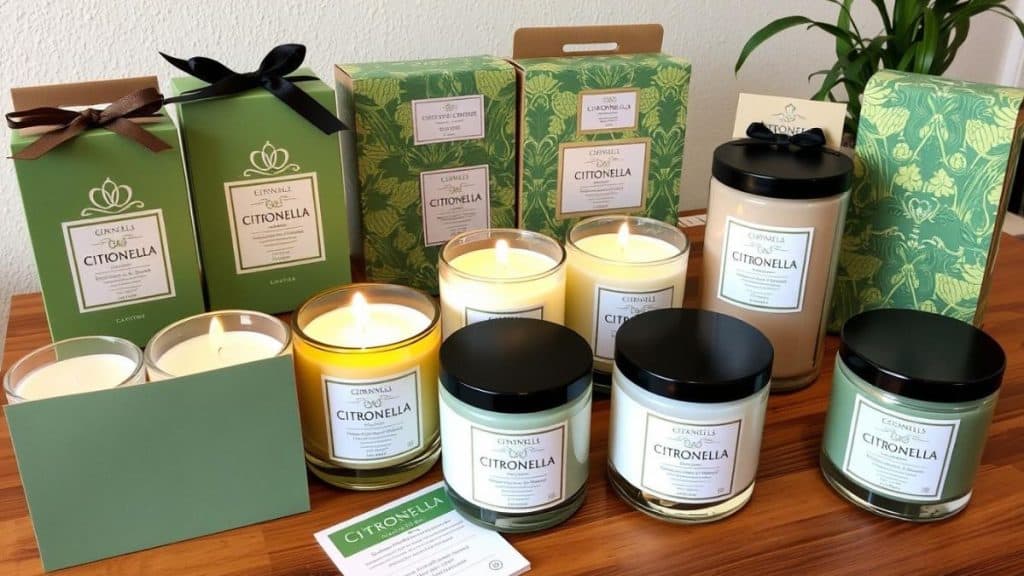
Branding and Packaging
Your product presentation directly impacts perceived value and customer willingness to pay premium prices. Invest in these key elements:
Container Selection
Choose distinctive containers that align with your brand aesthetic. Mason jars offer a rustic look, while sleek metal tins suggest modern sophistication. Consider containers that can be repurposed after the candle is used up, adding value for eco-conscious consumers.
Label Design
Create professional labels that clearly communicate your brand name, product benefits, and safety instructions. Include citronella’s mosquito-repelling properties prominently. Waterproof labels are essential for outdoor products that may be exposed to moisture.
Packaging Materials
Select eco-friendly packaging that protects candles during shipping while reinforcing your brand values. Consider recyclable boxes, tissue paper, or reusable bags. Include a thank-you note or usage instructions to enhance the unboxing experience.
Ready to Create Professional Product Labels?
Design custom, waterproof labels that will make your citronella candles stand out in the marketplace. No design experience needed!
Pricing Strategies and Profit Margins
Determining the right price point for your citronella candles is crucial for business success. Your pricing must cover costs, reflect product value, and provide sustainable profit margins.
Sweet Spot
Most small-batch sellers find the strongest balance of volume and profit at the $22–$26 price point for an 8–10 oz citronella candle.
Cost Calculation
Start by calculating your total production costs:
| Expense Category | Typical Cost Per Candle | Notes |
| Wax | $1.50 – $3.00 | Varies by type (soy costs more than paraffin) |
| Citronella Oil | $1.00 – $2.50 | Depends on quality and concentration |
| Container | $0.75 – $2.00 | Bulk purchasing reduces per-unit cost |
| Wick | $0.15 – $0.30 | Minimal cost impact |
| Packaging | $0.50 – $1.50 | Includes labels, boxes, tissue paper |
| Labor | $2.00 – $5.00 | Based on time spent per candle |
| Overhead | $0.50 – $1.00 | Utilities, equipment depreciation, etc. |
| Total Cost | $6.40 – $15.30 | Average 8oz candle |
Pricing Formulas
Most successful candle businesses use one of these pricing approaches:
Cost-Plus Pricing
Multiply your total cost by 2.5 to 3 times to determine retail price. For example, a candle costing $8 to produce would retail for $20-24. This simple approach ensures consistent margins but doesn’t account for market positioning.
Value-Based Pricing
Set prices based on perceived customer value rather than just costs. Premium citronella candles with unique features (longer burn time, decorative elements, stronger concentration) can command higher prices regardless of production costs.
Profit Margin Targets
Aim for these profit margins to ensure business sustainability:
- Wholesale: 30-40% profit margin (selling to retailers)
- Direct-to-consumer: 60-70% profit margin (selling online or at markets)
- Custom orders: 50-60% profit margin (bulk or personalized orders)
Effective Sales Channels
Diversifying your sales channels helps maximize revenue and reach different customer segments. Each channel has unique advantages and considerations.
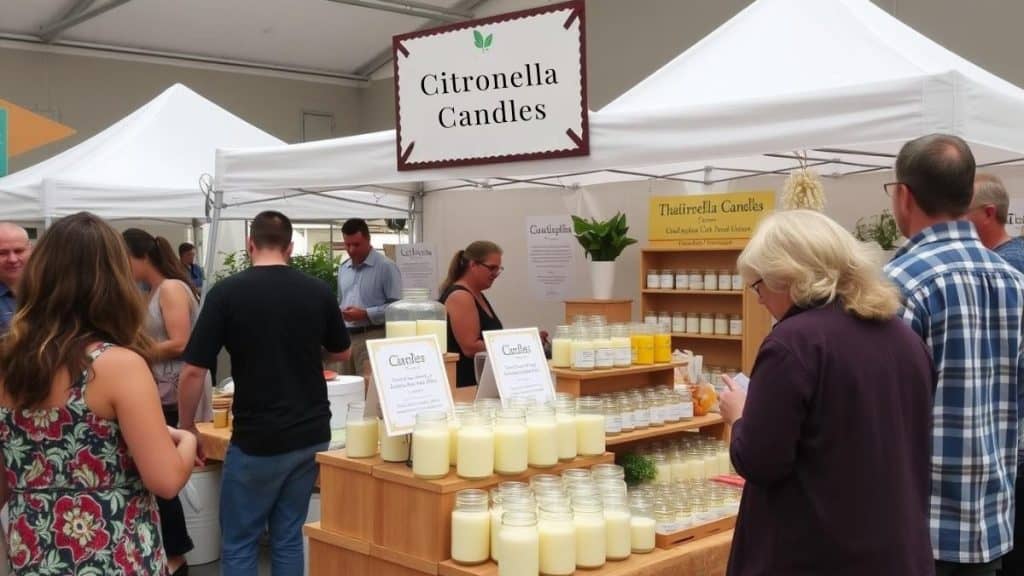
Craft fairs and farmers markets allow direct customer interaction and immediate feedback.
Online Marketplaces
- Platforms: Etsy, Amazon Handmade, eBay
- Pros: Wide reach, established customer base, built-in trust
- Cons: Platform fees, high competition, less brand control
- Best for: New sellers looking to validate products and build initial customer base
Tip: Invest in professional product photography and detailed descriptions highlighting citronella’s mosquito-repelling benefits.
Your Own Website
- Platforms: Shopify, WooCommerce, Squarespace
- Pros: Complete brand control, higher profit margins, customer data ownership
- Cons: Requires marketing effort to drive traffic, technical setup
- Best for: Established sellers with some marketing knowledge
Tip: Create seasonal bundles and offer subscription options for repeat customers during mosquito season.
In-Person Events
- Venues: Farmers markets, craft fairs, home & garden shows
- Pros: Direct customer feedback, no shipping costs, immediate sales
- Cons: Weather-dependent, requires time commitment, booth fees
- Best for: Sellers who enjoy customer interaction
Tip: Create an eye-catching display with live demonstrations of citronella’s effectiveness against mosquitoes.
Launch Your Online Candle Shop Today!
Get started with Shopify’s easy-to-use platform and have your citronella candle store up and running in less than a day.
Marketing Your Citronella Candles
Effective marketing highlights both the functional benefits (mosquito repellent) and aesthetic appeal of your citronella candles.
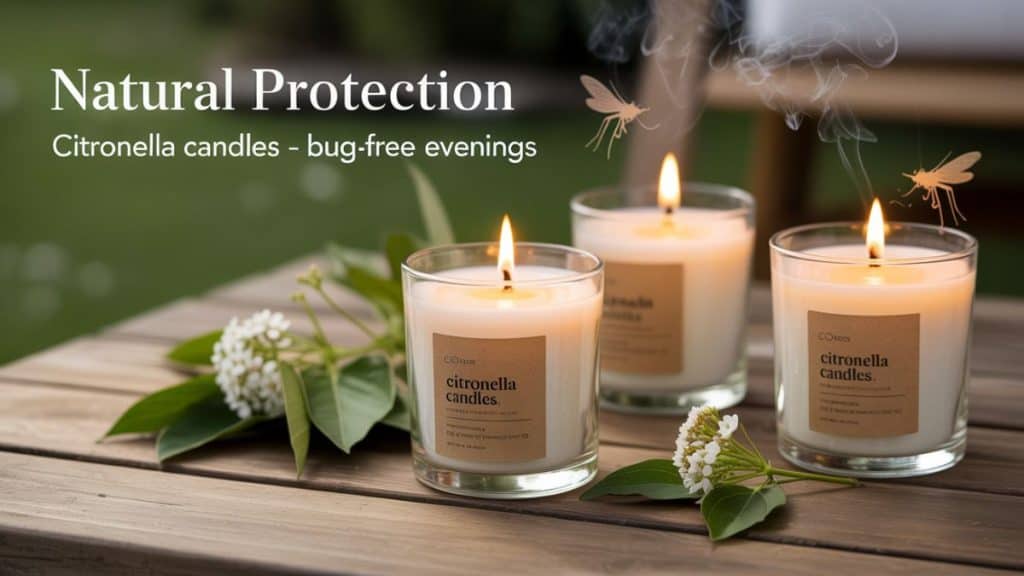
Engaging social media content showcases both product benefits and lifestyle appeal
Seasonal Marketing Strategy
Citronella candles have strong seasonal demand patterns. Adjust your marketing approach throughout the year:
| Season | Marketing Focus | Promotional Ideas |
| Early Spring | Preparation for mosquito season | Pre-season discounts, early bird bundles |
| Summer | Active mosquito protection | Outdoor entertaining sets, holiday weekend specials |
| Fall | Extended outdoor season | Fall scent combinations, clearance sales |
| Winter | Gift-giving and planning | Gift sets, DIY kits, gift certificates |
Content Marketing Ideas
Create valuable content that educates customers and positions you as an expert:
- Blog posts about mosquito prevention strategies
- Video tutorials on candle care and optimal placement
- Infographics comparing citronella to chemical repellents
- Customer testimonials and success stories
- Outdoor entertaining tips featuring your candles
- Behind-the-scenes content showing your production process
- Partnerships with outdoor living influencers
- Email newsletters with seasonal mosquito prevention tips
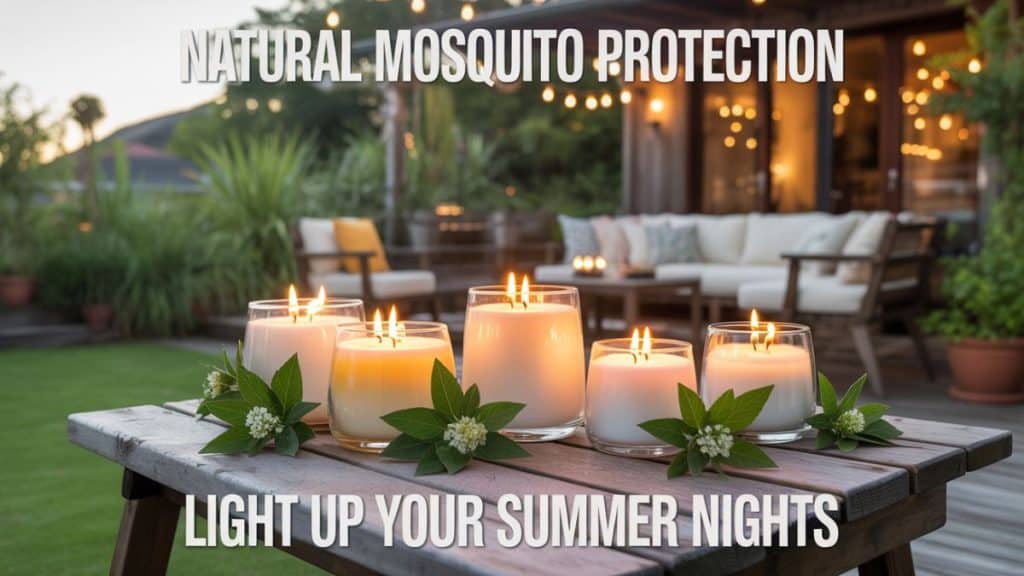
Email marketing campaigns can drive seasonal sales and repeat business.
Legal Considerations for Candle Businesses
Failure to include proper fire-safety warnings is one of the most common reasons handmade candle businesses face platform takedowns or insurance denial.
Operating a compliant candle business requires attention to several legal aspects:
Proper labeling is essential for legal compliance and customer safety.
Business Structure and Licensing
Start with these foundational legal elements:
- Business Registration: Register your business name as a sole proprietorship, LLC, or corporation depending on your needs.
- Sales Tax Permit: Obtain necessary permits to collect and remit sales tax in states where you have nexus.
- Home Business Permit: Check local zoning laws if operating from home, as some areas restrict manufacturing activities.
- Insurance: Consider product liability insurance to protect against claims related to candle use.
Product Labeling Requirements
The National Candle Association and Consumer Product Safety Commission recommend including:
Required Elements
- Product name (e.g., “Citronella Outdoor Candle”)
- Net weight or volume
- Your business name and contact information
- Country of manufacture
- Warning statements about fire hazards
Recommended Elements
- Ingredients list (especially for allergen awareness)
- Burning instructions and safety precautions
- Proper disposal information
- Batch or lot number for quality control
- Certification logos if applicable (e.g., organic)
Important: While citronella is generally recognized as safe, avoid making specific medical claims about mosquito-borne disease prevention unless you have scientific evidence and proper certification. Instead, focus on general statements about creating a more pleasant outdoor environment.
Getting Started with Your Citronella Candle Business
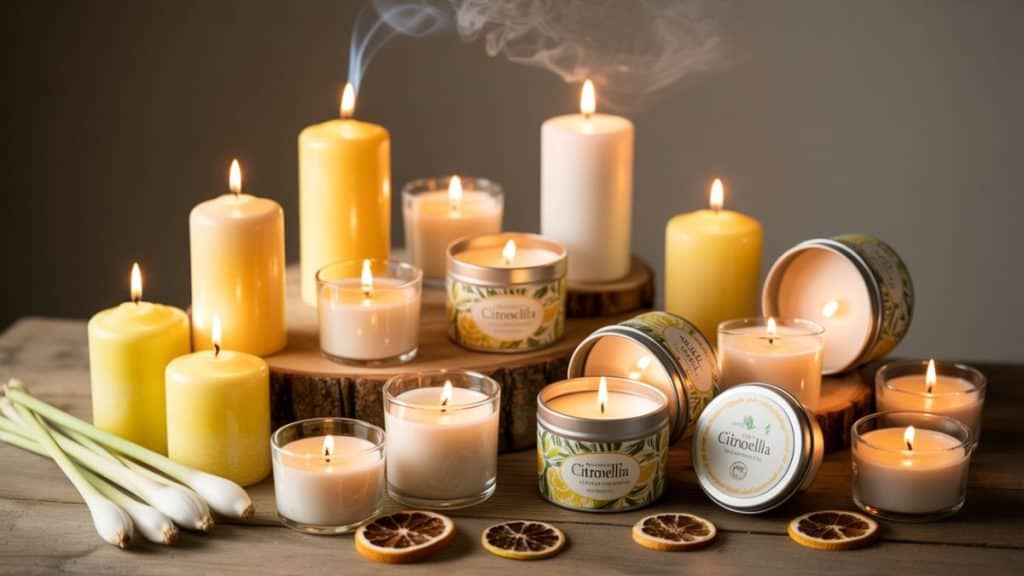
A well-executed citronella candle business offers multiple product variations.
Starting a citronella candle business combines creativity with practical entrepreneurship. By focusing on quality ingredients, effective mosquito-repelling properties, and professional presentation, you can build a profitable business that helps customers enjoy the outdoors without pesky insects.
Begin with small batches to perfect your formula and production process. Test different wax types, citronella concentrations, and container styles to find your signature products. As you grow, continuously gather customer feedback to refine your offerings and expand your product line with complementary items like citronella torch fuel or mosquito-repellent wax melts.
Seasonal timing is crucial in this business. Start production well before peak mosquito season to build inventory, and develop a year-round strategy to manage cash flow during slower months. With dedication to quality and customer education about the benefits of citronella, your candle business can thrive in this growing market niche.
Ready to Start Your Citronella Candle Business?
If you’re serious about turning this into a seasonal or year-round income stream, having a simple business plan makes all the difference. A structured template can help you price correctly, plan inventory, and avoid costly mistakes.
Frequently Asked Questions

How effective are citronella candles at repelling mosquitoes?
Citronella candles provide moderate mosquito protection by masking scents that attract mosquitoes. Studies show they can reduce mosquito activity by 30-50% when used correctly. For maximum effectiveness, use multiple candles to create a perimeter, place them in areas with minimal wind, and combine with other mosquito control methods.
What concentration of citronella oil is needed for effective mosquito repellent candles?
For effective mosquito repellent properties, use approximately 1 ounce (30ml) of citronella essential oil per pound of wax. This creates a 6-7% concentration, which research shows is the minimum effective level for mosquito deterrence. Lower concentrations may smell pleasant but won’t effectively repel insects.
How much can I expect to earn selling citronella candles?
Profit potential varies widely based on your production efficiency, pricing strategy, and sales channels. A standard 8oz citronella candle typically costs $6-15 to produce and can retail for $15-30. Selling direct-to-consumer through your own website or at markets typically yields the highest margins (60-70%). Many successful small-batch candle makers report monthly revenues of $1,000-5,000 during peak season.
What’s the best time of year to sell citronella candles?
Peak sales typically occur from late spring through early fall (May-September in most U.S. regions), coinciding with mosquito season. However, strategic marketing can extend your selling season. Early spring promotions can capture customers preparing for outdoor activities, while winter holiday sales can position citronella candles as thoughtful gifts for outdoor enthusiasts or summer vacation planning.